
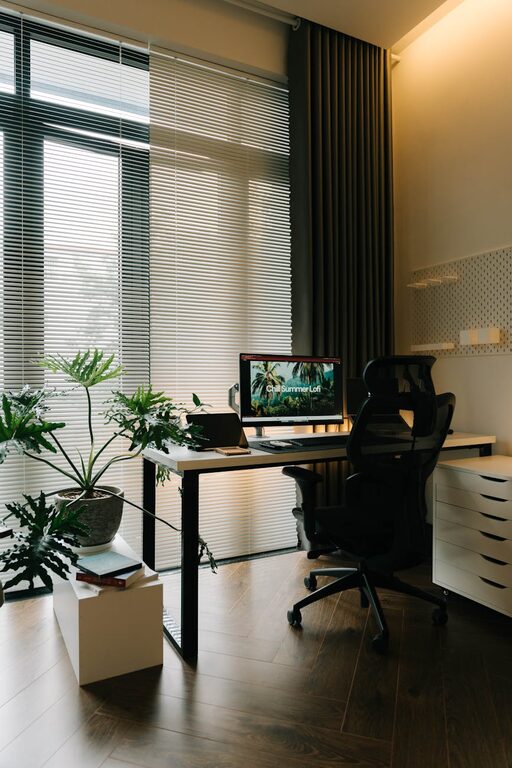
Creating a home office that is both relaxing and productive is essential for anyone working remotely or spending long hours at a desk. Striking the right balance between comfort and efficiency can improve focus, reduce stress, and enhance overall well-being. Here are some helpful tips to design a home office environment where you can work effectively while feeling calm and energised.
Choose the Right Location
The first step is selecting an appropriate space for your home office. Ideally, choose a quiet spot away from high-traffic areas to minimise distractions. If you don’t have a separate room, consider using a nook or corner that can be clearly defined as your workspace.
When possible, position your desk near a window to benefit from natural light. Exposure to daylight helps regulate your internal clock and improves mood, making it easier to stay alert and positive throughout the day.
Prioritise Comfortable and Functional Furniture
A comfortable chair with good lumbar support is essential for long work sessions. Investing in ergonomic furniture not only prevents discomfort but also reduces the risk of developing posture-related problems.
Your desk should be large enough to accommodate your work essentials without feeling cluttered. Adjustable desks that allow you to alternate between sitting and standing positions can also contribute to better health and productivity.
Declutter and Organise Your Space
A tidy environment promotes mental clarity and focus. Use storage solutions such as shelves, drawers, and organisers to keep paperwork and office supplies in order. Label boxes or folders to make items easy to find.
Try to keep only frequently used items on your desk. This reduces visual distractions and creates a more serene atmosphere. Regularly take time to clear unnecessary clutter to maintain this calming effect.
Use Colours and Décor Wisely
Choose calming colours for your office walls and décor. Soft blues, greens, and neutrals tend to create a relaxing ambience that can help lower stress levels. Avoid overly bright or intense shades that might cause fatigue or restlessness.
Incorporate personal touches like artwork, favourite photos, or plants. Live plants, in particular, improve air quality and offer a natural, soothing aesthetic that can boost mood and creativity.
Optimise Lighting
Good lighting is key for both comfort and focus. Combine natural light with quality artificial lighting to reduce eye strain. A desk lamp with adjustable brightness can be very useful, especially for tasks requiring close attention.
Avoid harsh overhead lighting or screens that cause glare. Consider using curtains or blinds to control daylight levels as needed throughout the day.
Minimise Noise and Distractions
Noise can be a major obstacle to concentration. Use noise-cancelling headphones or soft background music to mask disruptive sounds. If your workspace is near a noisy area, adding rugs, curtains, or acoustic panels can help absorb sound.
Inform others in your home about your working hours to minimise interruptions. Setting clear boundaries supports both your productivity and relaxation.
Incorporate Break Zones and Movement
Allot a small area nearby for stretching or relaxing during breaks. Taking short, regular breaks away from your desk helps reduce fatigue and refresh your mind.
If possible, try gentle movement exercises such as stretches or walking to loosen tight muscles. This habit can boost circulation and prevent stiffness associated with prolonged sitting.
Maintain Good Air Quality and Temperature
A fresh, well-ventilated room can improve cognitive function and comfort. Open windows regularly or use an air purifier if ventilation options are limited.
Keep your workspace at a comfortable temperature, ideally between 20–22°C. Adjust clothing or add a fan or heater as needed to maintain a pleasant atmosphere.
Set a Routine and Personal Boundaries
Creating a consistent schedule helps condition your brain for focused work periods. Define specific start and finish times to separate work from personal life, even if working from home.
Use timers or apps to keep track of work sessions and breaks. Shutting down work devices at the end of the day can help you mentally switch off and relax.
—
By following these tips, you can create a home office that supports both productivity and relaxation. A well-designed workspace reduces stress, improves concentration, and ultimately makes working from home a more enjoyable and sustainable experience.