
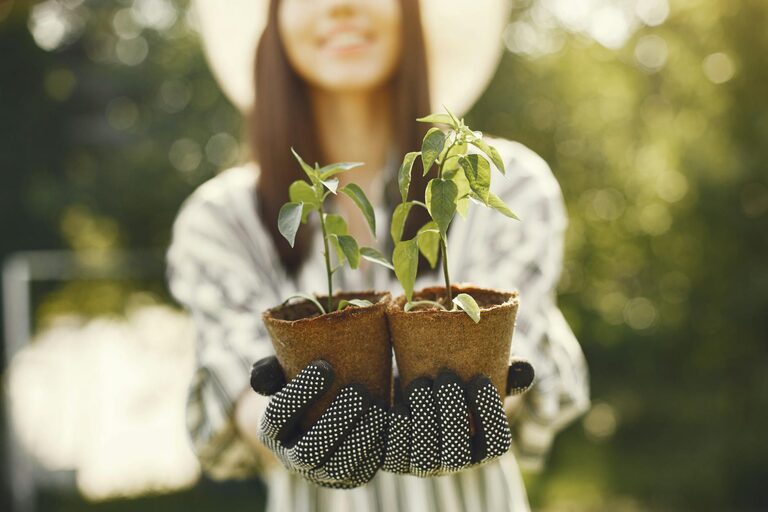
Creating a sustainable and eco-friendly garden at home is a rewarding way to enjoy nature while taking care of the environment. Whether you have a small balcony or a spacious backyard, you can implement simple practices that reduce waste, conserve water, and support local wildlife. This guide offers practical tips on how to develop a green garden that is both beautiful and kind to the planet.
Why Choose a Sustainable Garden?
Sustainable gardening focuses on using natural resources responsibly to minimise environmental impact. It encourages biodiversity, reduces pollution, and often lowers your gardening costs over time. By working with nature instead of against it, you’ll create a healthy outdoor space that thrives with less effort.
Plan Your Garden with Nature in Mind
Before planting, take some time to observe your garden space. Note the sunlight patterns, soil type, drainage, and existing plants.
Assess Your Site
– Sunlight: Identify which areas get full sun, partial shade, or deep shade.
– Soil: You can test pH and texture with a simple kit from a garden centre.
– Water drainage: Check where water collects or drains quickly.
Use this information to choose suitable plants that will thrive naturally, reducing the need for extra watering or chemical inputs.
Choose Native and Drought-Resistant Plants
Native plants are adapted to your local climate and soil, making them easier to maintain and great for supporting local insects and birds. Drought-resistant plants help conserve water and can survive dry spells without constant watering.
Tips for plant selection:
– Visit local garden centres or botanical gardens for native plant advice.
– Mix a variety of flowering plants, shrubs, and trees for biodiversity.
– Include herbs and edible plants to create a functional garden.
Composting: Turn Waste into Nutrient-Rich Soil
Composting is a fantastic way to recycle kitchen scraps and garden waste into valuable fertiliser. It reduces the amount of rubbish sent to landfill and improves soil health naturally.
How to Start a Compost Bin
– Choose a dry, shady spot in your garden.
– Add a mix of green materials (fruit and vegetable scraps, grass clippings) and brown materials (leaves, shredded paper).
– Turn the compost regularly to aerate it.
– Avoid adding meat, dairy, or oily foods.
Compost can be used to enrich flower beds, vegetable patches, and new planting areas.
Save Water with Efficient Practices
Water conservation is a key part of eco-friendly gardening. Using water wisely reduces waste and protects local water supplies.
Tips to Conserve Water
– Use rainwater harvesting systems like barrels or tanks.
– Water plants early in the morning or late in the evening to reduce evaporation.
– Mulch around plants with organic materials such as bark or straw to retain moisture.
– Opt for drip irrigation or watering cans rather than hoses for targeted watering.
Encourage Wildlife with Natural Habitats
An eco-friendly garden invites beneficial wildlife such as bees, butterflies, birds, and hedgehogs. These creatures help pollinate plants, control pests, and add life to your garden.
Ways to Support Garden Wildlife
– Plant a variety of native flowers throughout the seasons.
– Add bird feeders, birdbaths, or nest boxes.
– Create small ponds or water features for amphibians and insects.
– Leave some areas wild or add log piles for shelter.
Avoid using chemical pesticides and herbicides, which can harm wildlife.
Reduce Plastics and Waste in Gardening
To keep your garden truly sustainable, consider the materials you use.
– Choose biodegradable plant pots or reuse containers.
– Buy seeds and plants from reputable suppliers who use minimal packaging.
– Repurpose old garden tools and furniture.
– Recycle plastic pots and bags wherever possible.
Maintain Your Garden Naturally
Regular care keeps your garden healthy without relying heavily on chemicals.
Organic Pest Control
– Introduce beneficial insects like ladybirds and lacewings to control aphids.
– Handpick slugs or use natural deterrents such as crushed eggshells.
– Plant companion plants that repel pests, like marigolds near vegetables.
Soil Care
– Use natural mulches and compost to nourish soil.
– Rotate crops if growing vegetables to avoid soil depletion.
– Avoid digging too deeply to preserve soil structure and organisms.
Start Small and Enjoy the Process
Creating a sustainable garden doesn’t have to be complicated or expensive. Start with a few easy changes and expand gradually. Take time to notice the benefits, such as attracting wildlife, reducing waste, and saving water. Your garden will grow into a peaceful, eco-friendly haven you can be proud of.
—
By practising sustainability in your garden, you contribute to a healthier planet while enjoying the pleasures of gardening at home. Remember that each small step makes a difference!