
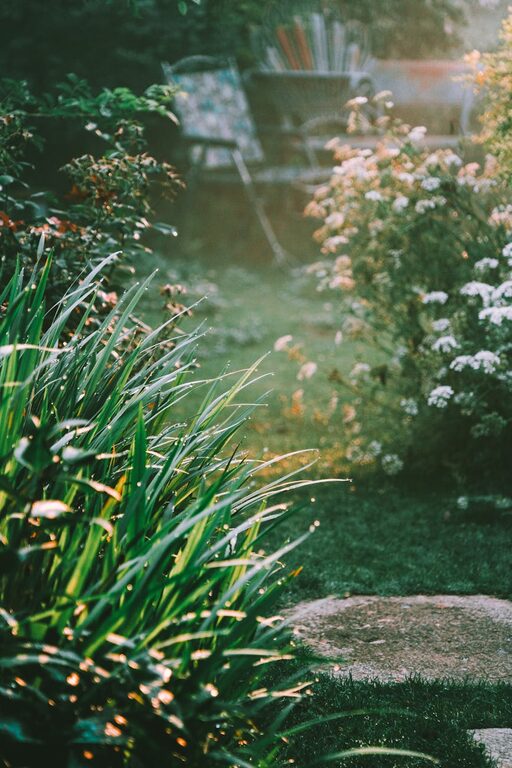
Creating a beautiful garden doesn’t have to mean hours of hard work every week. With thoughtful planning and the right choices, you can enjoy a lovely outdoor space that requires minimal upkeep. Whether you’re a beginner or simply want to reduce the time spent gardening, these tips will help you design a backyard that’s both attractive and easy to maintain.
Plan Your Garden with Maintenance in Mind
Before planting a single seed, take some time to plan how your garden will look and function. Consider elements like the amount of sunlight your garden receives, soil type, and your local climate. Choose plants that naturally thrive in these conditions to reduce the need for extra watering or care.
Sketch a layout of your garden, including flower beds, paths, and seating areas. Group plants with similar water and light needs together. This will make watering more efficient and help keep plants healthy.
Choose Low-Maintenance Plants
Selecting the right plants is key to a low-maintenance garden. Here are some popular options to consider:
Native Plants
Native species are adapted to your region’s climate and soil, so they generally require less water and care. They also support local wildlife, including pollinators like bees and butterflies.
Drought-Tolerant Plants
Plants such as lavender, sedum, and ornamental grasses withstand dry spells well, reducing the need for frequent watering.
Evergreen Shrubs
These keep their leaves year-round, providing structure and colour in every season without much attention.
Perennials
Perennial plants come back every year, so you don’t have to replant annually. Examples include echinacea, hostas, and daylilies.
Use Mulch to Reduce Weeds and Watering
Mulching your garden beds is a simple way to cut down on maintenance. A thick layer of organic mulch—such as bark chips or compost—helps:
– Retain moisture in the soil, reducing the need for watering
– Suppress weed growth to keep beds tidy
– Improve soil quality as it breaks down over time
Aim for a 5-7cm layer around your plants, taking care to keep mulch away from stems and trunks to prevent rot.
Incorporate Hard Landscaping Elements
Adding paths, patios, and seating areas made from materials like stone, gravel, or wood can enhance your garden’s look and reduce the amount of planted area to maintain.
– Gravel or stone paths prevent muddy patches and make it easy to access beds for weeding and planting
– Raised beds can reduce back strain and help control soil quality and drainage
– Garden furniture and ornaments provide focal points without upkeep
Think about your garden’s flow and how you use the space most to decide where these features will work best.
Automate Watering to Save Time
An irrigation system or soaker hoses can automate watering, ensuring plants receive consistent moisture without the need to hose down by hand. Setting timers or using moisture sensors helps avoid overwatering, saving both time and resources.
If an irrigation system isn’t possible, watering cans or drip irrigation loops can also make the task more straightforward and efficient.
Control Weeds Without Chemicals
Weeds can quickly turn any garden messy. To keep them at bay without relying on herbicides:
– Apply mulch regularly
– Use groundcovers like creeping thyme or ivy that block weed growth
– Pull weeds quickly before they set seed
– Install landscape fabric under gravel paths or patios
Regular light maintenance is easier than tackling widespread weed problems later on.
Keep Lawns Small or Replace with Alternatives
Lawns are often the most demanding part of a garden to maintain. If you enjoy a grassy area, consider downsizing it or using low-maintenance grass varieties.
Alternatively, replace sections of lawn with groundcovers, gravel, or artificial turf. These options often require less mowing, watering, and feeding.
Regular but Simple Maintenance Routines
Even low-maintenance gardens need some care over time. Establish easy routines to keep your space looking its best:
– Check plants weekly for pests or dryness
– Prune dead or overgrown branches as needed
– Refresh mulch annually
– Sweep or clear debris from paths and patios
Spreading these tasks out reduces the chance of feeling overwhelmed and keeps your garden healthy and attractive.
Embrace Seasonal Interest
To enjoy your garden year-round without planting new items constantly, choose plants with a variety of bloom times, textures, and colours. Evergreens provide winter greenery, while spring bulbs and autumn berries add seasonal charm.
Adding features like bird feeders or wind chimes can also make your garden inviting and vibrant throughout the year.
—
By following these simple tips, you’ll create a beautiful backyard garden that fits your lifestyle and lets you spend more time relaxing outdoors, rather than working in it. Happy gardening!