
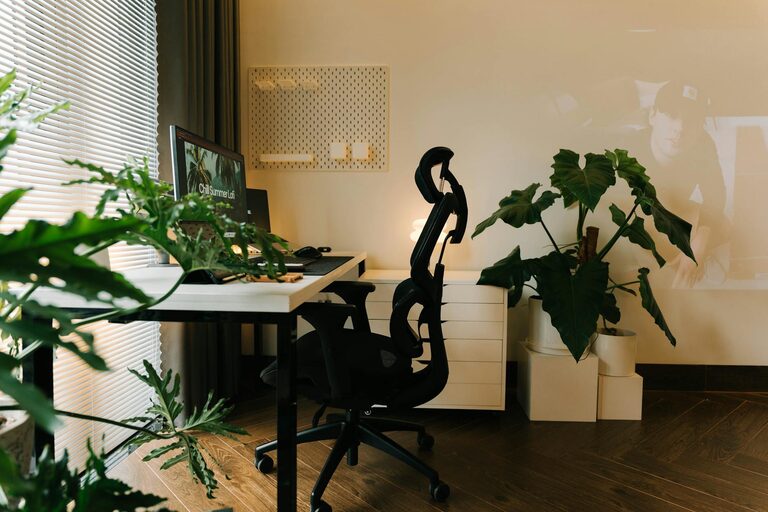
Creating a relaxing home workspace is essential for maintaining productivity and comfort, especially as more people work from home. A well-designed workspace not only makes your tasks more enjoyable but can also reduce stress and improve focus. Whether you have a dedicated room or just a corner in your living area, these tips will help you build a calm and efficient environment.
Why a Relaxing Workspace Matters
When work areas are cluttered or uncomfortable, it can be challenging to concentrate and stay motivated. A relaxing workspace contributes to mental clarity, making it easier to complete tasks. It also supports physical well-being by encouraging good posture and reducing strain.
Choosing the Right Location
Find a Quiet Spot
Select a location in your home that is as quiet and free from distractions as possible. Avoid high-traffic areas like the kitchen or living room, if you can. If space is limited, use noise-cancelling headphones to minimise interruptions.
Consider Natural Light
Position your desk near a window to take advantage of natural light. Exposure to daylight improves mood and helps regulate your internal clock, which can enhance your productivity.
Essential Furniture and Ergonomics
Invest in a Comfortable Chair
Choose a chair that supports your back with adjustable features to suit your height and posture. This reduces the risk of back pain and keeps you comfortable for longer periods.
Desk Height and Layout
Make sure your desk is at a height where your forearms are parallel to the floor when typing. Keep your workspace organised by having essential items within reach to avoid unnecessary movements.
Add a Footrest
A footrest can improve circulation and reduce strain on your legs, especially if your feet don’t comfortably reach the floor.
Keeping Your Space Organised
Declutter Regularly
A tidy desk helps clear your mind. Set aside a few minutes each day to remove unnecessary items and put things back in their place.
Use Storage Solutions
Invest in shelves, drawers, or organisers to store documents, stationery, and gadgets out of sight but within easy reach. Label containers or folders for quick access.
Digital Organisation
Keep your computer desktop well organised as well. Use folders and maintain a system for your files to reduce stress when searching for documents.
Personalising Your Workspace
Add Plants
Incorporating greenery can make your space more inviting and improve air quality. Low-maintenance plants such as succulents or spider plants are ideal for busy work environments.
Use Calming Colours
Soft, neutral colours on walls or accessories can create a soothing atmosphere. Consider shades like light blue, green, or beige to promote relaxation.
Display Inspiring Items
Include a few personal touches like photos, artwork, or motivational quotes. However, avoid over-decorating to keep distractions to a minimum.
Incorporating Good Lighting
Layer Your Lighting
Combine natural, ambient, and task lighting to avoid eye strain. A desk lamp with adjustable brightness is perfect for focused tasks during darker hours.
Avoid Glare
Position screens and lamps to reduce glare, which can cause headaches and fatigue.
Managing Noise Levels
Use White Noise or Soft Music
If you cannot control background noise, white noise machines or calming instrumental music can help mask distractions.
Soundproofing
Consider simple soundproofing methods like adding rugs, curtains, or acoustic panels to absorb sound.
Encouraging Breaks and Movement
Set a Timer
Use a timer or app to remind yourself to take regular breaks. Short pauses help maintain focus and prevent burnout.
Stretching and Exercises
Incorporate gentle stretches or simple exercises during breaks to ease muscle tension and re-energise your body.
Maintaining a Routine
Set Clear Work Hours
Establish consistent start and finish times to create boundaries between work and personal life.
Prepare Your Workspace Daily
Spend a few minutes organising your desk each day before starting work to get into the right mindset.
Final Thoughts
Designing a relaxing home workspace takes time and some trial and error, but the benefits to your productivity and well-being are worth it. By considering location, ergonomics, organisation, and personal touches, you can create an environment that feels both comfortable and inspiring. Small changes can make a big difference in how you approach your workday from home.