
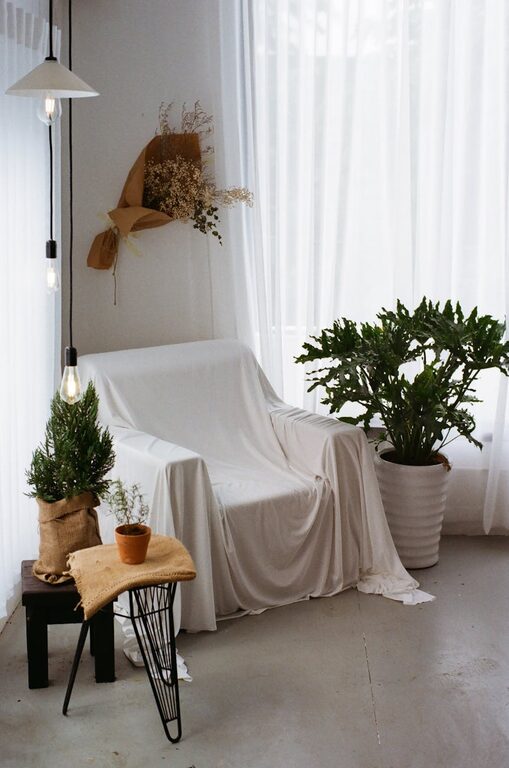
Creating a peaceful and relaxing home environment is essential for promoting better wellbeing. Your living space has the power to affect your mood, stress levels, and overall health. Whether you live in a small apartment or a spacious house, there are many ways you can make your home a sanctuary that nurtures calm and comfort. This article will share practical tips to help you design a relaxing home environment that supports your mind and body.
Why a Relaxing Home Environment Matters
Our homes are places where we recharge, reflect, and unwind. A chaotic or cluttered space can contribute to feelings of anxiety and restlessness, while a calm and organised environment promotes relaxation and positivity. A soothing home setting can help lower stress hormones, improve sleep quality, and boost mental clarity. By intentionally creating a relaxing atmosphere, you give yourself the opportunity to better manage everyday challenges.
Declutter and Simplify
One of the most effective steps towards a calming home is decluttering. Excess belongings can overwhelm the senses and make it difficult to relax.
– Sort belongings into what you use regularly, what you want to keep, and what can be donated or recycled.
– Organise storage solutions such as baskets, boxes, or shelving to keep items tidy and accessible.
– Keep surfaces clean and free from unnecessary objects, especially in your living and bedroom areas.
A tidy, simplified space allows your mind to breathe and focus on positive activities.
Choose Calming Colours
Colour greatly influences mood and ambience. Certain shades promote calmness and balance.
– Opt for neutral tones like soft greys, beiges, or cream for walls and large furnishings.
– Incorporate cool colours such as blues and greens which are known to reduce stress.
– Use warm accent colours sparingly, like muted pinks or soft yellows, to add warmth without overwhelming.
Avoid overly bright or harsh colours in spaces dedicated to relaxation.
Maximise Natural Light
Natural light improves mood and helps regulate the body’s internal clock.
– Keep window treatments light and airy to allow sunlight into your rooms.
– Position seating areas near windows to enjoy daylight while reading or relaxing.
– Use mirrors to reflect natural light and make rooms appear more spacious.
If natural light is limited, supplement with soft, warm artificial lighting.
Incorporate Comfortable and Supportive Furniture
Comfortable furniture helps your body fully relax.
– Choose sofas and chairs with good support and soft materials.
– Consider cushions and throws to add layers of comfort.
– Ensure that beds and mattresses provide adequate support for restful sleep.
Avoid furniture that is too hard or overly decorative but lacks comfort.
Introduce Natural Elements
Bringing nature indoors can enhance relaxation and air quality.
– Add houseplants like ferns, spider plants, or peace lilies that are easy to care for.
– Include natural materials such as wooden furniture, cotton textiles, or stone accessories.
– Play recordings of nature sounds or use a small water feature for calming background noise.
These elements create a connection to nature, which is inherently grounding.
Create Designated Zones for Relaxation
Dedicating specific areas for relaxation encourages taking time to unwind.
– Set up a reading nook with a cosy chair and good lighting.
– Design a meditation or yoga corner with cushions or mats.
– Use soft rugs and soft lighting to enhance these zones.
Having a clear physical space signals your brain to switch into rest mode.
Use Aromatherapy
Pleasant and calming scents can influence your mood and stress levels.
– Choose essential oils like lavender, chamomile, or frankincense for diffusers.
– Incorporate scented candles or natural incense, ensuring proper ventilation.
– Avoid overpowering fragrances or synthetic scents that may irritate.
A gentle aroma can help create an inviting atmosphere.
Limit Electronics and Screen Time
Electronics can contribute to sensory overload and disrupt relaxation.
– Keep TVs, computers, and phones out of bedrooms when possible.
– Establish “screen-free” times, especially before bed.
– Use dimmable lights and blue light filters in the evening.
Reducing screen exposure helps improve sleep quality and fosters calmness.
Maintain Good Air Quality and Temperature
A comfortable environment goes beyond aesthetics.
– Ventilate rooms regularly to let in fresh air.
– Use air purifiers if necessary, especially in urban areas.
– Maintain moderate temperatures that suit your comfort, ideally between 18-22°C.
Good air quality and temperature regulation support physical wellbeing.
Add Personal Touches
Finally, incorporate elements that make your space uniquely yours.
– Display photos, artwork, or items that bring joy or calm.
– Play soft music or sounds that you find relaxing.
– Keep favourite books or hobbies within reach.
Personalising your home increases emotional comfort and contentment.
—
Creating a relaxing home environment is a worthwhile investment in your wellbeing. Through thoughtful organisation, soothing designs, and nurturing habits, your home can become a peaceful retreat from the hectic pace of everyday life. Start with small changes and notice how your relaxation and happiness improve over time.