
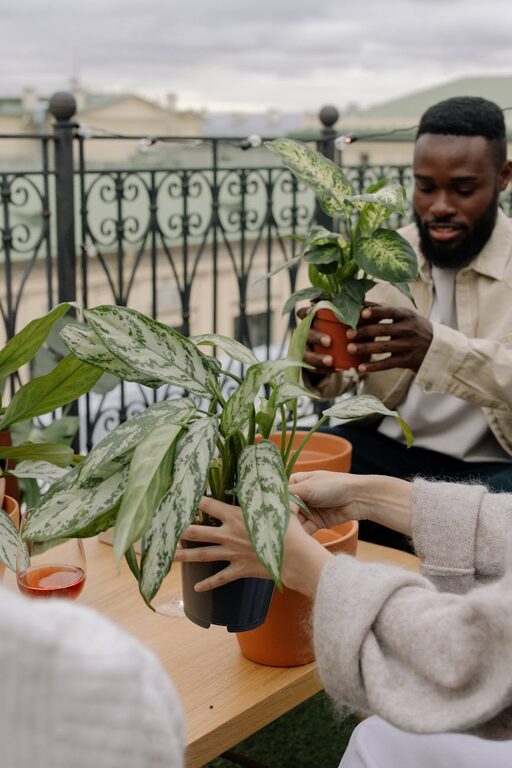
Creating a sustainable and eco-friendly home garden is a rewarding way to connect with nature, reduce your environmental impact, and enjoy fresh, homegrown produce or beautiful greenery all year long. By adopting thoughtful practices, you can nurture a garden that supports local wildlife, conserves resources, and flourishes irrespective of the season. Here are useful tips to guide you through setting up and maintaining a sustainable garden throughout the year.
Plan Your Garden with Sustainability in Mind
Choose Native and Adapted Plants
Native plants are well suited to your local climate and soil conditions, requiring less water, fertiliser, and maintenance. Research species native to your region or those adapted to similar conditions. These plants attract local pollinators and wildlife, supporting biodiversity.
Design for Water Efficiency
Incorporate features such as rain gardens, swales, or simple rainwater harvesting systems to reduce reliance on mains water. Group plants with similar water needs together (a practice known as zoning) to make watering more efficient. Using drip irrigation can also minimise water waste.
Opt for Organic Soil Enrichment
Instead of synthetic fertilisers, enrich your soil with organic compost and mulch. Compost improves soil structure, retains moisture, and provides nutrients naturally. Mulching suppresses weeds and helps maintain steady soil temperatures.
Seasonal Maintenance and Gardening Practices
Spring: Prepare and Plant
– Test your soil’s nutrient levels and adjust using organic amendments if necessary.
– Start sowing seeds for vegetables and herbs suited to your area.
– Prune plants carefully to encourage healthy growth.
– Set up supports for climbing plants to maximise space.
Summer: Care and Conserve
– Water early in the morning or late evening to reduce evaporation.
– Apply mulch generously around plants.
– Monitor for pests and diseases regularly; use natural or homemade remedies when needed.
– Harvest produce promptly to encourage continued growth.
Autumn: Clear and Compost
– Remove dead plant material and add it to your compost heap.
– Plant cover crops or green manures to enrich soil and prevent erosion over winter.
– Prepare bulb and hardy plants for winter planting.
– Collect fallen leaves for mulching or composting.
Winter: Protect and Plan Ahead
– Use cloches or fleece to protect sensitive plants from frost.
– Keep soil covered with mulch or evergreen ground covers to prevent nutrient loss.
– Plan crop rotations and order seeds for the upcoming season.
– Prune dormant trees and shrubs carefully to promote spring growth.
Encourage Wildlife and Pollinators
Creating a garden that welcomes wildlife can improve plant health and garden resilience.
– Provide water sources such as birdbaths or small ponds.
– Include a mix of flowering plants that bloom in different seasons to supply nectar year-round.
– Leave some dead wood or bare patches for ground-nesting creatures.
– Avoid chemical pesticides and herbicides that harm beneficial insects.
Reduce Waste and Reuse Materials
– Use recycled containers and repurpose household items as plant pots or labels.
– Make your own compost from kitchen scraps and garden waste.
– Collect rainwater in barrels for watering.
– Share or swap seeds and plants with neighbours to promote community sustainability.
Energy-Efficient Garden Lighting and Tools
– Choose solar-powered garden lights.
– Use manual or rechargeable battery-powered tools over petrol-driven ones to reduce emissions.
– When buying tools or materials, opt for durable, high-quality items to reduce waste.
Final Thoughts
Building a sustainable and eco-friendly home garden is a continual journey of learning, observing, and adapting. By integrating these practices, you contribute positively to the environment while creating a beautiful and productive outdoor space that you can enjoy year-round. Remember, even small changes can have lasting benefits for your garden and the planet.
Happy gardening!